
- +91 9910596644
- info@engbizz.com
Sustainable Construction & Services
Arranging Best Technology & Joint Ventures in Agro Processing, Forestry, and Infrastructure
Sustainable Construction & Services
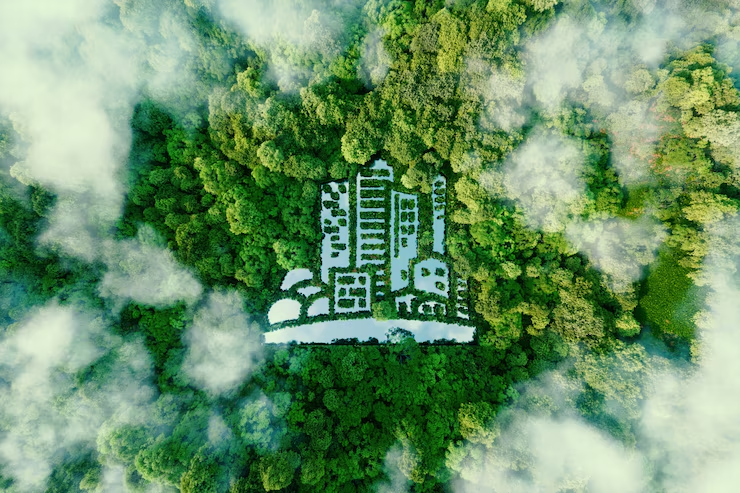
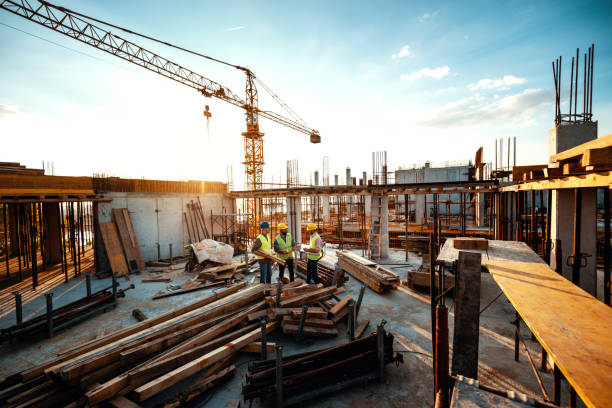
Development of green and energy-efficient buildings and Infrastructure using recycled construction materials and modular design principles, Integrating rainwater harvesting, solar power, and low carbon footprint designs. Providing Expert services in construction of Rural and urban infrastructure, Roads, water systems, and energy infrastructure, Sustainable material sourcing and project management



Business Model
I. Target Market
- 1. Biomass Pellets
- 2. Biochar & Bio-vinegar
- 3. Land regeneration and development
- 4. Precast products
- 5. Construction & Services
II.Target Customers
| Segment | Key Customers |
|---|---|
| 1. Biomass Pellets | |
| Government | NTPC and State Power plants as cofiring to fossil fule |
| Industry | Boilers (textile, paper, dairy), food processing units, pharmaceutical & Chemical |
| International Market | International Market carbon credit companies, retailers (EU, Asia, Africa) |
| 2. Biochar & Bio-vinegar | |
| Agriculture | Organic farmers, agri-cooperatives, agri universities, land development projects, Agro forestry |
| 3. Land regeneration and development | |
| Investor/Developers | Investor/Developers Having barren land/farmhouse with no productivity |
| Farmers | Having non productive Land bank |
| 4. Precast products, Construction & Services | |
| Construction | Green builders, smart cities, PWDs, contractors |
| Government | Infra projects by Central, State, Rural Developments, Housing board etc |
1. Best Technology in Agro Processing
Agro processing involves transforming raw agricultural products into consumable goods. The adoption of advanced technology is critical to improving processing efficiency, product quality, and sustainability.
Automation & Robotics: Automation in agro processing includes systems for sorting, packaging, and quality control, which reduce labor costs and human error. Robotic arms, conveyors, and automated inspection tools can enhance productivity, minimize wastage, and improve consistency in production lines.
Internet of Things (IoT): IoT devices in agro processing allow real-time monitoring of production lines, ensuring energy-efficient operations. Sensors can detect faults, optimize resource use, and maintain consistent product quality by monitoring variables like temperature and humidity.
Precision Agriculture: Technologies like drones, sensors, and GPS mapping help farmers apply fertilizers, pesticides, and irrigation only where needed, enhancing crop yield and reducing environmental impact. Advanced sensors can monitor soil health and moisture levels, making it easier to achieve optimal crop production.
Cold Chain Technology: Maintaining the freshness of perishable agro products is vital. Technologies such as advanced refrigeration, cold storage units, and temperature-controlled transport help extend shelf life and ensure that products reach the market without spoilage.
2. Best Technology in Forestry
Forestry technology is vital for sustainable forest management, biodiversity conservation, and efficient timber production.
Drones & Remote Sensing: Drones equipped with high-resolution cameras and sensors provide accurate data on forest health, deforestation, and biodiversity. Remote sensing technologies such as satellites can monitor large forest areas and track growth patterns, making forest management more efficient and less labor-intensive.
Geographic Information Systems (GIS): GIS tools help forestry managers map forests, monitor resources, and plan timber harvesting activities. These technologies allow for precise forest inventory management, and better resource allocation and can identify areas in need of conservation or restoration.
Automated Timber Harvesting: Harvesters and skidders are advanced machinery used in timber production that automate the process of cutting, transporting, and processing timber. These machines reduce environmental impact, lower labor costs, and increase efficiency in the timber industry.
III. Sales Channels
Direct B2B Sales
1. Field sales team for high-value clients (industries, infra contractors, organic farms)
2. MoUs with construction companies and state-level biomass procurement agencies
3. Outreach to CSR departments for rural development & soil improvement partnerships with companies and NGOs
E-Commerce & Online B2B Platforms
- List on IndiaMART, TradeIndia, AgriBazaar for domestic buyers.
- Export-focused platforms like Alibaba, Go4WorldBusiness, Amazon Global.
- Social commerce via LinkedIn, WhatsApp Business for leads and direct orders.
Direct B2B Sales
1. Field sales team for high-value clients (industries, infra contractors, organic farms)
2. MoUs with construction companies and state-level biomass procurement agencies
3. Outreach to CSR departments for rural development & soil improvement partnerships with companies and NGOs
Tender & Institutional Sales
- Register on GeM Portal for supplying to government entities.
- Participate in tenders floated by Government agencies.
- Collaborate with FPOs and NGOs for rural block orders.
- Appoint local stockists in agro and semi-urban markets.
- Build supply hubs near thermal power plants (fly ash source) and agri zones.

Joint Ventures in Forestry:
- Sustainable Practices : Through joint ventures with global forestry experts, local companies gain access to cutting-edge forest management techniques, ensuring sustainability while optimizing timber production.
- Knowledge Sharing : International partnerships allow for knowledge transfer, enabling local players to adopt best practices in forest conservation, restoration, and sustainable harvesting.
3. Best Technology in Infrastructure
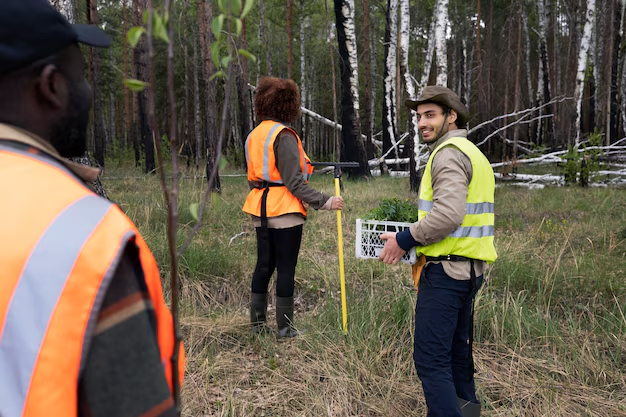
In the infrastructure sector, technological innovations are transforming the way cities are built and managed. These advancements improve the efficiency, cost-effectiveness, and sustainability of infrastructure projects, whether in transportation, power, or urban development.
Building Information Modeling (BIM): BIM technology helps architects, engineers, and construction teams create accurate 3D digital models of buildings and infrastructure. This technology streamlines the design process, reduces errors, and enables better collaboration across project stakeholders, leading to faster and more efficient construction.
Smart Cities Technology: The integration of sensors, IoT, and data analytics allows for better urban planning and resource management. For example, smart traffic management systems, waste management, and energy-efficient buildings contribute to making cities more livable and sustainable. Smart grids for electricity distribution ensure energy efficiency and prevent outages.
Sustainable Construction Materials: Innovative materials such as recycled plastics, eco-friendly cement, and solar panels are helping reduce the environmental footprint of construction projects. These materials improve energy efficiency and ensure that infrastructure projects contribute positively to environmental sustainability.
Joint Ventures in Infrastructure:
- Innovative Design and Construction : Joint ventures between local firms and global companies bring together international expertise in cutting-edge design and construction techniques. These collaborations enable the implementation of modern solutions, such as green buildings, smart city infrastructure, and renewable energy solutions, in local projects.
- Large-Scale Projects : Infrastructure projects such as highways, bridges, renewable energy plants, and urban developments often require significant capital investment.
IV. Marketing Strategy
Digital Marketing
1. SEO-rich website showcasing products, certifications, case studies
2. Google Ads & LinkedIn campaigns targeting industrial and green infra clients
3. YouTube videos showing real-world use of biochar, foam panels, and precast blocks
Offline Marketing
- Participate in AgroTech expos, Green Building expos, Smart City summits
- Distribute sample kits to farmers, builders, and rural entrepreneurs
- Organize demo installations (e.g., walls, toilets) in rural or CSR pilot sites
Partnerships
1. Align with CSR arms of large companies for joint impact projects
2. Collaborate with KVKs, ICARs, NABARD, and State Agri Depts
3. Partner with export agents and trade commissions for international expansion
V. Pricing Strategy
1. Penetration pricing for entry into rural/agro markets. However, base price is fixed for biomass pellets by the NTPC and State operated Thermal Power plats
2. Value-based pricing for export-grade biochar and foam panels
3. Offer bulk discounts and loyalty plans for institutional buyers
VI. Post-Sale Strategy
- 1. Quality assurance with return/replacement policies
- 2. On-site installation support for precast products
- 3. Farming guidance for biochar/vinegar use
- 4. Carbon credit registration support for large biochar users
Funding Requirement & Utilization
- Total Grant Requested: […………….]
- Utilization Plan:
- 40%: Plant & Machinery (Pellets/Biochar/Precast)
- 20%: Land rehabilitation & approach, electric connection, water system setup
- 25%: R&D and pilot projects
- 15%: Marketing & Capacity building
Roadmap
- Phase 1 (0–6 months): Pilot units setup
- Phase 2 (6–12 months): Full-scale manufacturing & partnerships
- Phase 3 (Year 2 onwards): Expansion and multi-location scale-up