Soil Rejuvenation & Barren Land Development
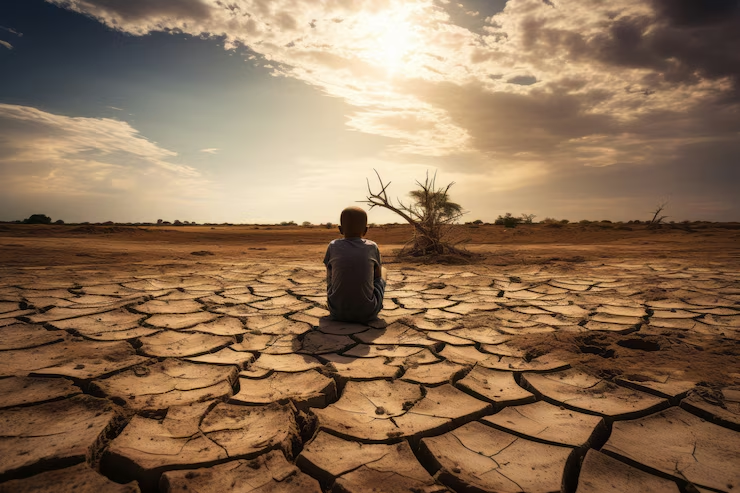
Rehabilitation of Barren & Degraded Land
Identify and assess unproductive or abandoned lands. Apply biochar, bio-vinegar, and organic compost to regenerate soil fertility and microbial health.
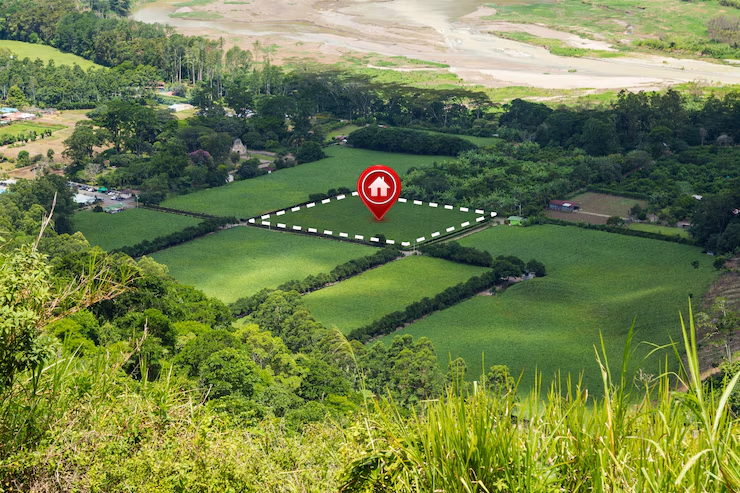
Contract Farming on Rehabilitated Land
Partner with farmers and landowners to cultivate improved soils. Introduce sustainable cropping models (agroforestry, intercropping, low-water crops).
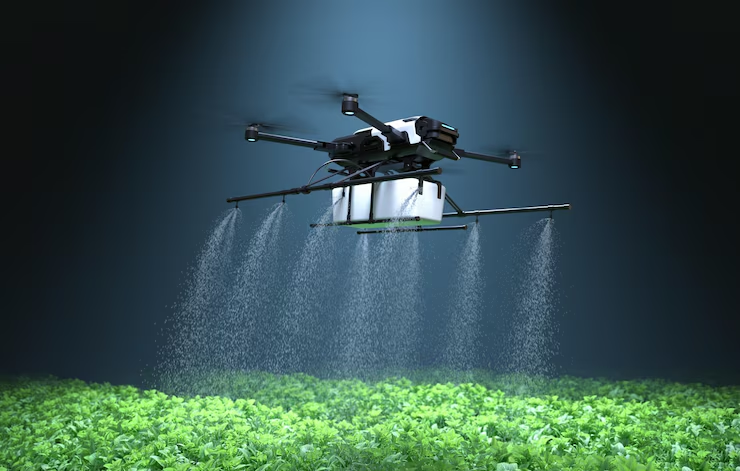
Mobile Irrigation Systems
Deploy solar-powered and portable irrigation units which can be easily assembled and transported on vehicles. Ensure water availability by tankers and other means and its application on periodic basis with minimum water use techniques.
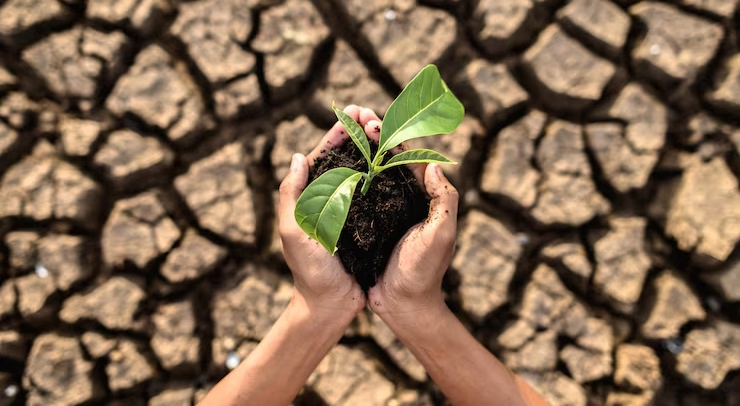
Environmental Impact
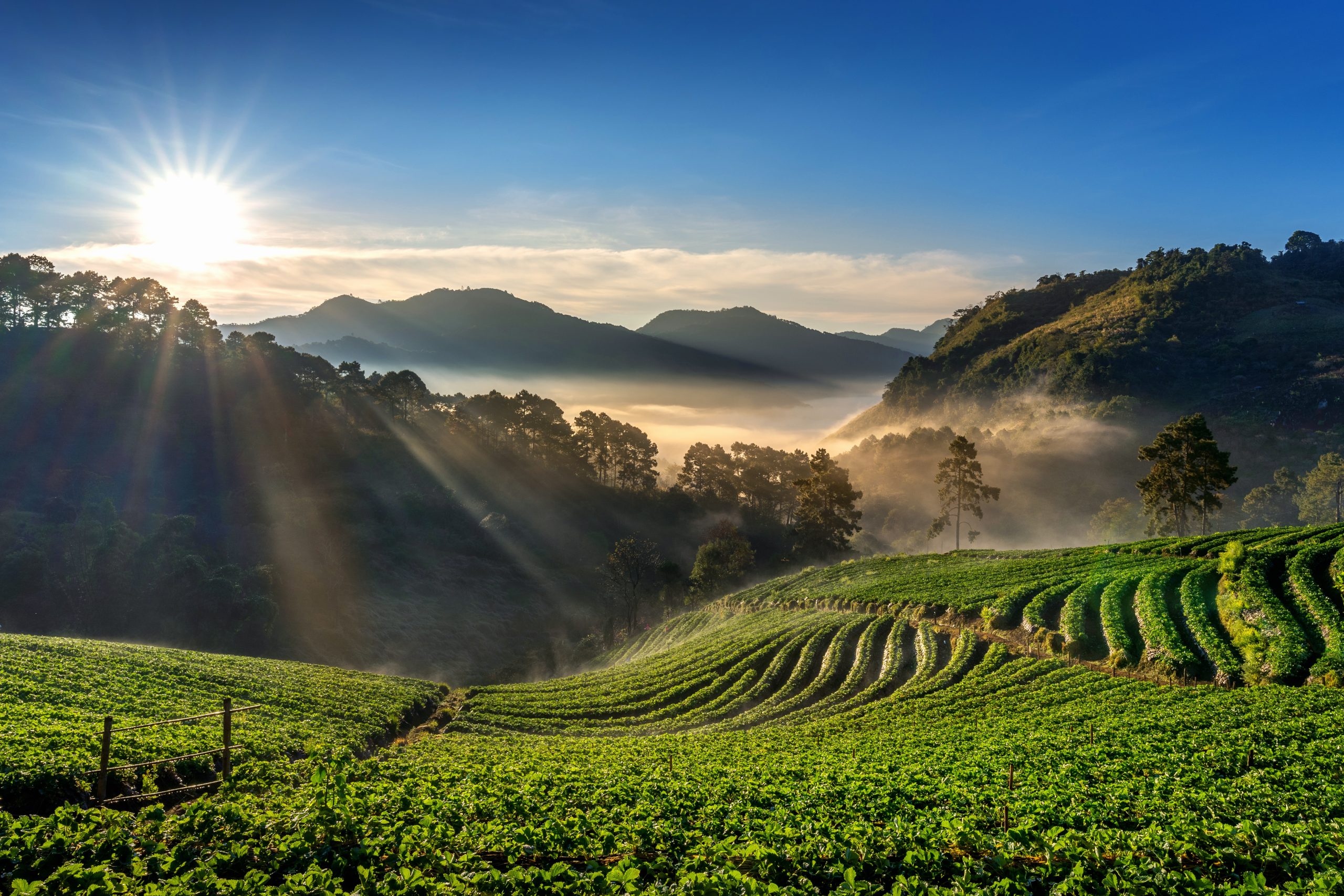
- Soil Restoration: Converts degraded and barren lands into fertile, productive fields.
- Water Conservation: Use of mobile, precision irrigation reduces water wastage.
- Carbon Sequestration: Biochar traps atmospheric CO₂ in the soil for centuries.
- Reduced Chemical Dependency: Natural amendments reduce the need for synthetic fertilizers and pesticides, improving biodiversity.


National Impact
- Doubling Farmer Income: Supports national goal of improving rural incomes through sustainable agriculture.
- Waste-to-Wealth Implementation: Utilizes fly ash, crop residues, and organic waste as productive resources.
- Soil Health Mission Support: Aligns with government programs aimed at improving soil fertility and productivity.
- Climate Resilience: Prepares agricultural systems to withstand climate change impacts through adaptive land-use strategies.